
A group of Somali American workers at a Minneapolis warehouse, supported by SARC, successfully organized and negotiated prayer accommodations and fair scheduling.
In a landmark victory for workers' rights, a group of 47 Somali American employees at a major Minneapolis warehouse have successfully negotiated comprehensive workplace accommodations, including dedicated prayer spaces and fair scheduling practices that respect religious observances.
The victory comes after months of organizing efforts supported by SARC's workplace rights program, in partnership with local labor unions and community organizations.
The Challenge
Workers at the facility, which handles distribution for a major retail chain, had long faced challenges in practicing their faith while meeting demanding production quotas. Many reported being denied breaks for daily prayers, facing disciplinary action for religious observances, and experiencing discriminatory treatment from supervisors.
"We just wanted to be able to pray and do our jobs," says Amina Mohamed, one of the workers who helped lead the organizing effort. "We're hard workers. We just needed our employer to respect our faith."
Organizing for Change
The workers reached out to SARC after several employees received written warnings for taking unauthorized breaks to pray. SARC's community outreach team connected them with labor organizers and provided legal support throughout the negotiation process.
"This case perfectly illustrates the intersection of civil rights and labor rights," explains Fadumo Jama, SARC's Policy Advocate. "Religious discrimination in the workplace is illegal, but workers often need support to assert their rights."
Over several months, workers documented instances of discrimination, built solidarity among their colleagues, and developed a clear set of demands. Their persistence paid off when management finally agreed to negotiate.
The Agreement
The negotiated agreement includes several key provisions:
- Prayer Accommodations: A dedicated, clean space for daily prayers with flexible break scheduling to accommodate the five daily prayer times
- Religious Holidays: Recognition of Islamic holidays with options for unpaid leave or shift swaps
- Fair Scheduling: Advanced notice of schedules and consideration of religious observances when assigning shifts
- Anti-Discrimination Training: Mandatory training for all supervisors on religious accommodation and cultural competency
- Grievance Process: A clear process for reporting and addressing discrimination complaints
Broader Implications
This victory has implications far beyond one warehouse. Minnesota is home to the largest Somali American population in the United States, with many community members working in warehouses, manufacturing, and other industries where similar issues arise.
"This sets an important precedent," says Hodan Abdi, SARC's Executive Director. "Other employers should take note: accommodating religious practices isn't just the right thing to do—it's the law. And when workers organize together, they can achieve real change."
Know Your Workplace Rights
Under federal law, employers must provide reasonable accommodations for religious practices unless doing so would cause undue hardship to the business. This includes:
- Time and space for prayer
- Flexibility for religious holidays
- Dress code exceptions for religious attire
- Schedule modifications for religious observances
If you're experiencing religious discrimination at work, you don't have to face it alone. SARC offers free workplace rights consultations and can connect you with legal resources and labor organizations.
Celebrating Success
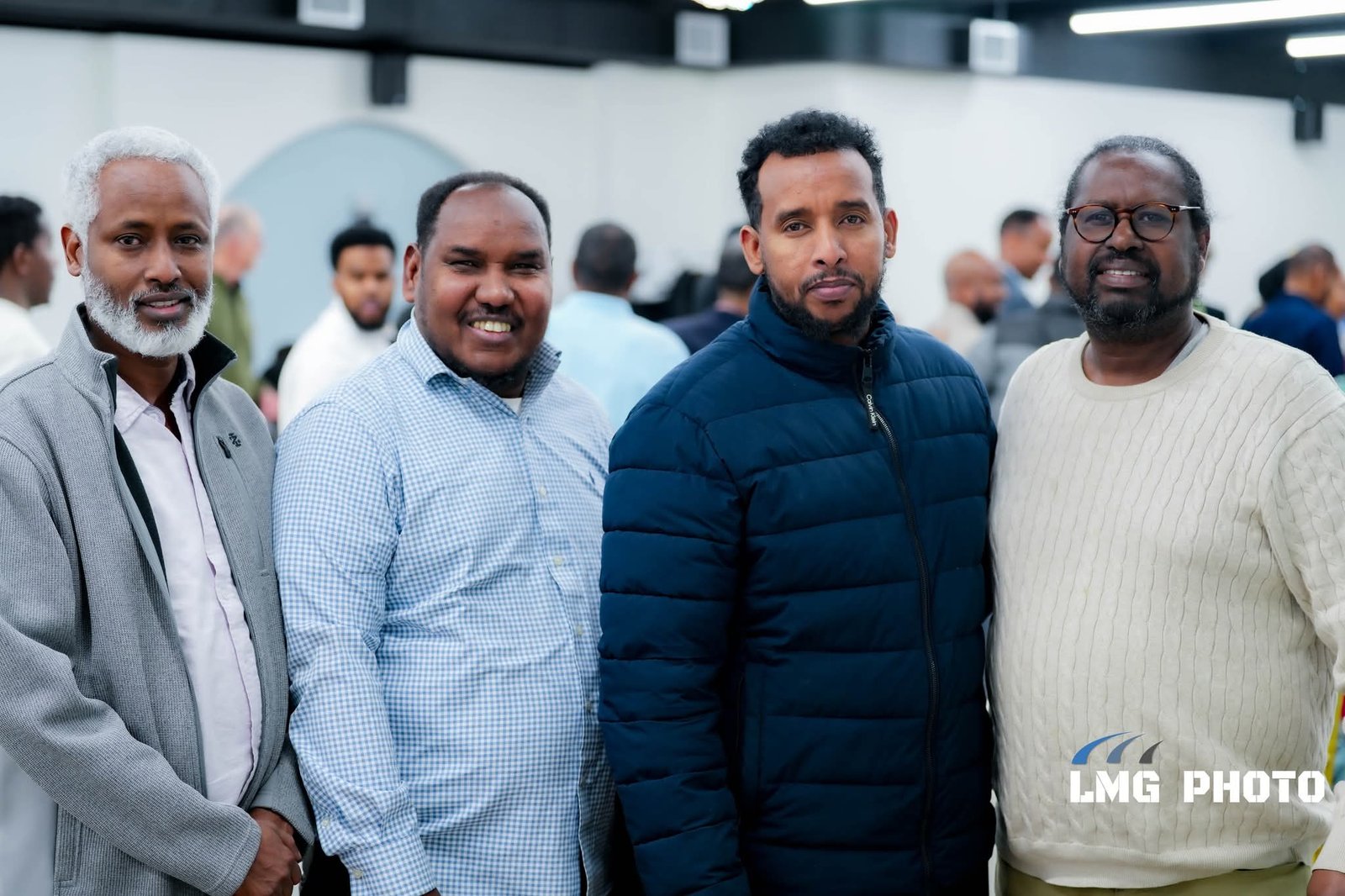
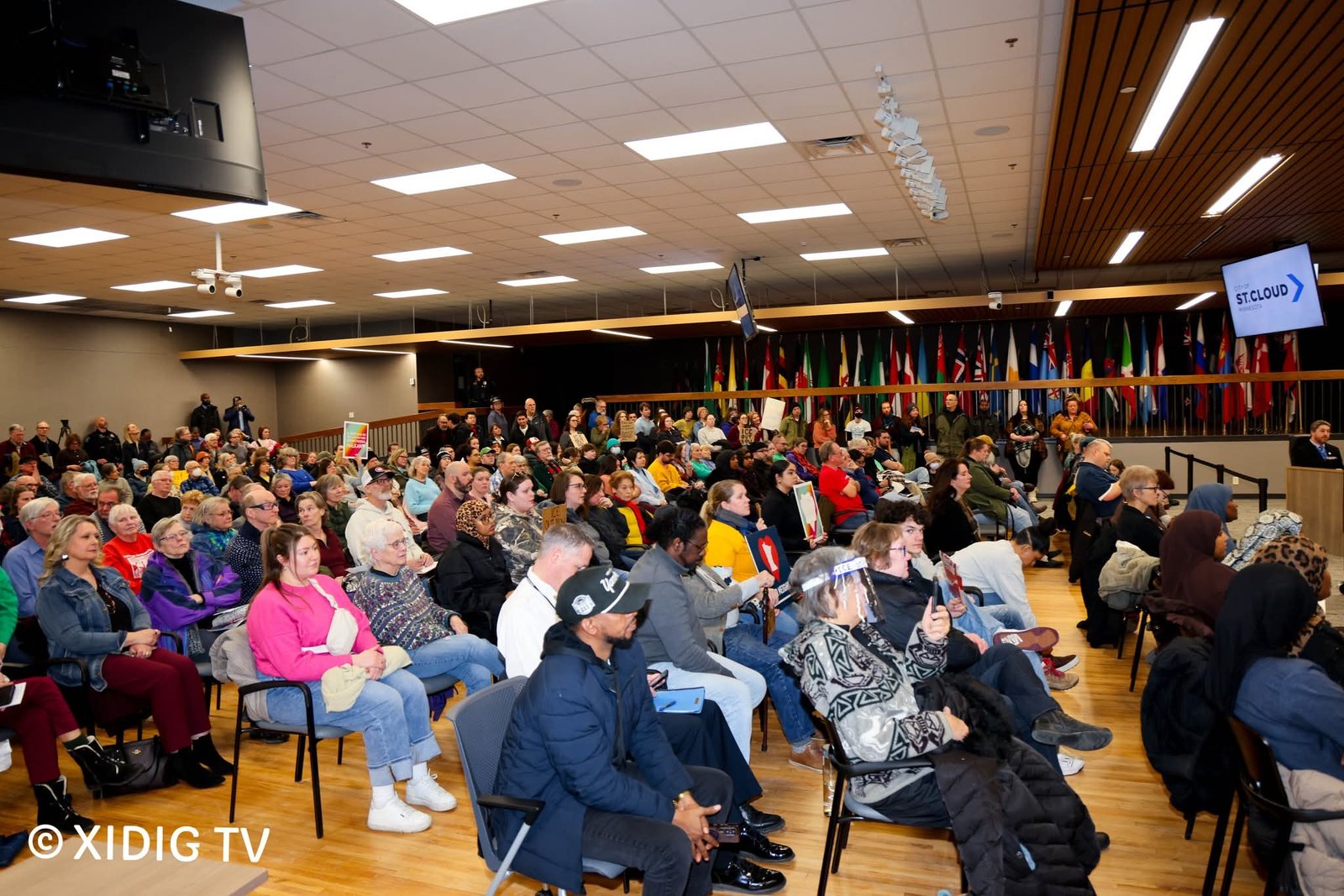
Last week, SARC hosted a celebration event honoring the workers who made this victory possible. The event brought together labor leaders, community organizers, and elected officials to recognize the power of collective action.
"This is what happens when community members stand together," Amina Mohamed told the crowd. "We showed that Somali American workers deserve dignity and respect. And we won."
The workers return to their jobs this week under the new agreement, with their heads held high and their rights protected. Their courage and persistence have paved the way for better working conditions for Somali Americans across the Twin Cities.
Spread the word
Sharing this article helps our community stay informed.